QMS and supplier control
Procurement, supplier performance, and controlled handover to operations are part of our ISO 9001 aligned practice, not a spreadsheet on someone’s desktop. See governance on About .

Colour theme
Region
Opens the same page on another regional site.
Servers, storage, endpoints, clinical, rugged
Get architecture first specs, realistic lead times, and a clear handover path into run state support before finance signs the PO.
We turn quotes into files your audit, operations, and finance teams can defend: not just a cheaper SKU line.
Established 2005
Long running Australian operations and procurement governance.
10,000+ managed endpoints
Operational context for refresh, support handover, and lifecycle decisions.
ISO 9001 governed delivery
Supplier control and file trails aligned to panel and audit expectations.
Run state handover built in
Staging and asset identity mapped into support tooling, not left to chance.
A one off consumer purchase with no handover to operations. If you only need a strategy conversation first, use strategic managed service; if you are standardising on cloud only, start from cloud. We still route you here when hardware is in scope for that roadmap.
This page is about governed procurement and handover: not a browse and cart catalogue. Use the paths below if you already know the product family or clinical workflow you need.
Trucell buys the way you govern: under an integrated management system with records your ISO or sector reviewers expect. Since 2005, we have scaled delivery across 10,000+ managed endpoints. The links below back up the headlines.
Procurement, supplier performance, and controlled handover to operations are part of our ISO 9001 aligned practice, not a spreadsheet on someone’s desktop. See governance on About .
We quote through Australian distribution (e.g. Dicker Data, Ingram Micro) and direct vendor programs where the programme requires it, traceable, registered where needed, and aligned to warranty reality.
Microsoft , Dell, HPE, Lenovo, NetApp, and more, plus medical grade and imaging lines via our display and modality partners when the brief is clinical.
Staging, imaging, and records tie to IT support and NinjaOne so what we ship is what you patch, renew, and retire. How we work on About.
Procurement and lifecycle decisions are informed by environments at scale, not one off retail orders, with evidence aligned to service and governance outcomes .
Problems usually start before the order is placed: no named recovery path, unrealistic lead times, and no ownership for imaging or tagging. When auditors, insurers, or incident responders ask for proof, the story and the asset record do not match.
We treat procurement as part of the architecture: the quote should name capacity, options, and who hands to operations with a device identity people trust six months in.
Structured specs, transparent distributor backed quotes, and a clear path to staging and deployment. You get a procurement file that matches production reality, not just a cheaper SKU line.
Usable capacity after protection, IOPS and latency for the workload, drive class, and a sanity check against backup and recovery and NetApp or hybrid design before the PO is signed.
We show at least a minimum and a high availability path when uptime matters, checked against your cloud and failure assumptions, not a single host surprise after go live.
If NetApp or tiered design is the standard, the quote matches snapshot, tiering, and cross site plan, procurement and data path in one story.
Distributor and vendor channels, cost plus where agreed, warranty and install split when needed, and lead times stated before you lock the project plan.
Dell, HP, Lenovo, Surface, Apple, HPE, QNAP, networking, UPS, standards, exceptions with owners, and one refresh narrative when you want fewer models to support.
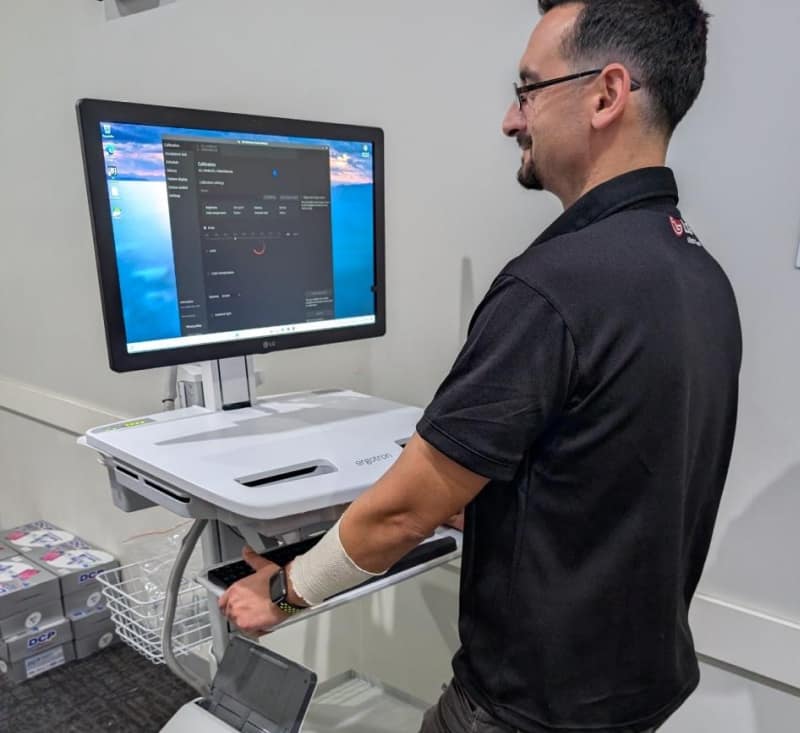
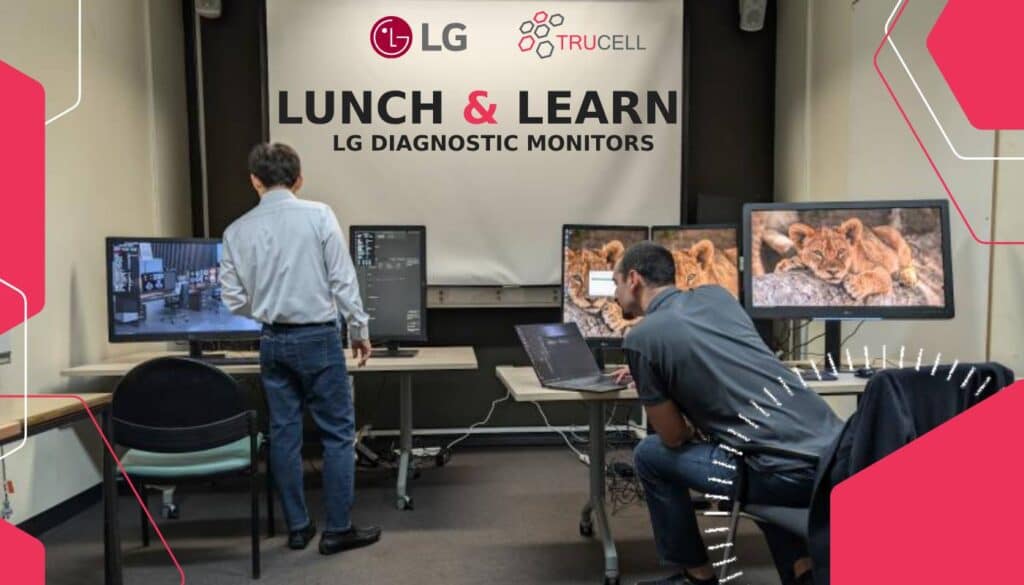
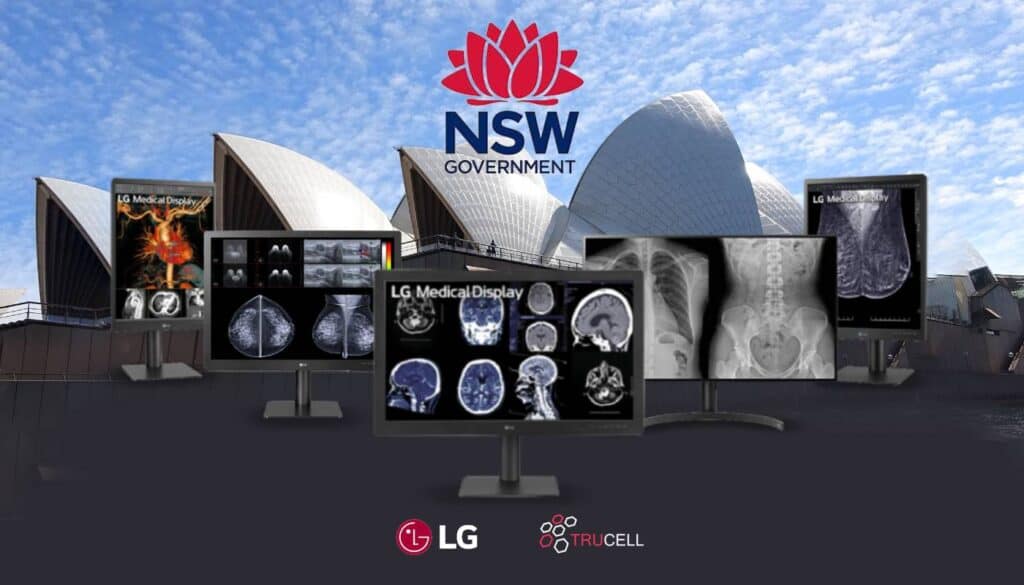
Authorised display and imaging adjacent supply. Deep links: LG Medical Solutions , clinical monitors , diagnostic monitors , plus solutions and workstations where the brief needs it.
Design, procurement, and steady state are one delivery thread here. The same team that helps you spec can explain how the asset lands in support, what “done” means for rollout, and what evidence you can show in review.
Records, approved suppliers, and review of supplier performance in our management system, so panel renewals, audit samples, and ITAM expectations have a defensible file trail.
We align to network , security , and roadmaps in strategic service so the hardware line matches what you will operate for three to five years.
Procurement is not only “get a price.” It is the front end of how you support, patch, and prove what is on the network. These are the disciplines we run with you so capital spend matches run state and review expectations.
Role based device classes, approved SKUs, and a controlled exception path when a site or workload truly needs something different. Fewer models means fewer images, drivers, spare strategies, and “snowflake” break/fix calls, with the same device story in IT support and your asset register.
Refresh waves aligned to lease ends, warranty windows, and performance reality, with a shared view of what retires when. We tie plans to backup and recovery and capacity so a storage or host refresh does not land as a surprise project the month after the board approved something else.
Named response tiers (NBD, 4h where justified), OEM registration, and a clear RMA path for your furthest site, not “call the vendor” with no ticket context. Where licensing co terms with hardware, we call that out next to Microsoft 365 or platform entitlements so renewals and warranty stay in one story.
One accountable thread across Australian distribution, OEM programs, and professional services when install or field work is in scope. We surface realistic lead times, escalation ownership, and handover to your project or site team so “dock date” and “ready to image” are not different languages.
File trails that stand up in ISO, health sector, and government style reviews: how the spec was chosen, who approved the supplier path, serial and receive records, and controlled change into production. Cross referenced to governance on About and our management system so you are not assembling evidence from five inboxes the week before the audit.
Capital and ITAM panels usually score the same core headings. These cards give direct answer shapes you can use in reviews and procurement workshops.
What to ask: have you delivered our class of estate before, server, storage, refresh, and clinical if relevant? How we answer: public partner lines and long running Australian MSP delivery; we prepare sector- or scale appropriate references in diligence where we can, not every logo on a slide.
What to ask: end of life, packaging, and vendor return or recycling where policy requires it? How we answer: we align disposal and data wipe to your policy and, where relevant, sustainability commitments and documented handover, not ad hoc couriers with no chain of custody record.
What to ask: realistic lead times, critical parts, and what happens in remote or regional sites? How we answer: we quote and track distributor and vendor dates; we name warranty tiers and spares postures in the spec where you will hold us to them.
What to ask: capex vs opex, financing, or as a service, who owns the asset on paper? How we answer: we separate hardware, services, and financing or consumption options so finance can model TCO, not only invoice price, before sign off.
What to ask: OEM warranty transfer, co term with Software Assurance, and data residency or health sector constraints? How we answer: the quote ties OEM terms to your deployment; we call out when legal or Microsoft licensing need your own review so nothing is “assumed in.”
What to ask: when does support “own” the serial, and what is the asset of record? How we answer: cutover, CMDB or inventory load, and managed support scope in one handover we can describe in a workshop.
Use this as a pre signoff checklist to reduce regret, rework, and hidden operational risk.
IOPS, RAM, and GPU from real app behaviour, PACS, SQL, VDI, not “i7 and 16GB” templates for imaging or data heavy roles.
NBD vs 4h, who holds spares, how returns work for your furthest site, and co terms with the software stack where applicable.
Whether this buy extends an approved standard list or needs a signed exception, with impact on imaging, spares, and support cost called out before sign off.
For regulated environments: traceable supplier path, receive and serial records, and who approved production use, so the same file supports ITAM, quality, and security questions without rework.
A couple of laptops can stay light. For refresh waves, new sites, or anything under audit, we use a traceable trail you can file.
Today’s estate, standards, lease and refresh, compliance, clinical or rugged rules, and hard no gos. One thread with stakeholders when the scope is program sized.
Target specs, alternates, distributor quotes, total cost and lead time, financing only when TCO is clear. No surprise line items the week before ship.
Registration where the vendor needs it, realistic receive dates, dock or your site, your runbook, not a blind drop.
Image, handover, support and lifecycle, then secure disposal and asset close when the asset retires, aligned to your data policy.
You know which side you are on when a failure or an audit question lands: the serial and the recovery path either match the story, or the room goes quiet.
Whether it is a rack, storage refresh, endpoint wave, or clinical kit, we align the recommendation to how you will run and retire it. Share workload, recovery expectations, and signoff constraints, and we will respond with specific model paths, lead time assumptions, and handover ownership you can take to finance and operations. No obligation, just a clear recommendation you can act on.
Helpful inputs: current standards, rough counts by role or site, lease end dates, and any panel or government clause we need to reflect in the file trail.
Continue into adjacent services that typically shape hardware decisions, rollout readiness, and lifecycle outcomes.
Immutable backups, M365 protection, and DR that gets tested, not just configured once.
Read morePerimeter, endpoints, and monitoring sized to your risk profile.
Read moreTenant hygiene, licensing clarity, and collaboration defaults before you scale users.
Read moreLAN, WAN, and Wi‑Fi that stay documented when the next project lands.
Read moreCo managed IT options, TAM led roadmaps, and QBRs so IT spend, projects, and support stay on one thread.
Read moreService desk and steady state ops with clear triage and SLAs.
Read moreRadiology depth: uptime, DICOM and modality paths, PACS/RIS, storage, diagnostic displays, and vendor coordination: beyond desktop MSP defaults.
Read more